
World
September 9, 2026 · canan · 46 views
Ms Jacklovich
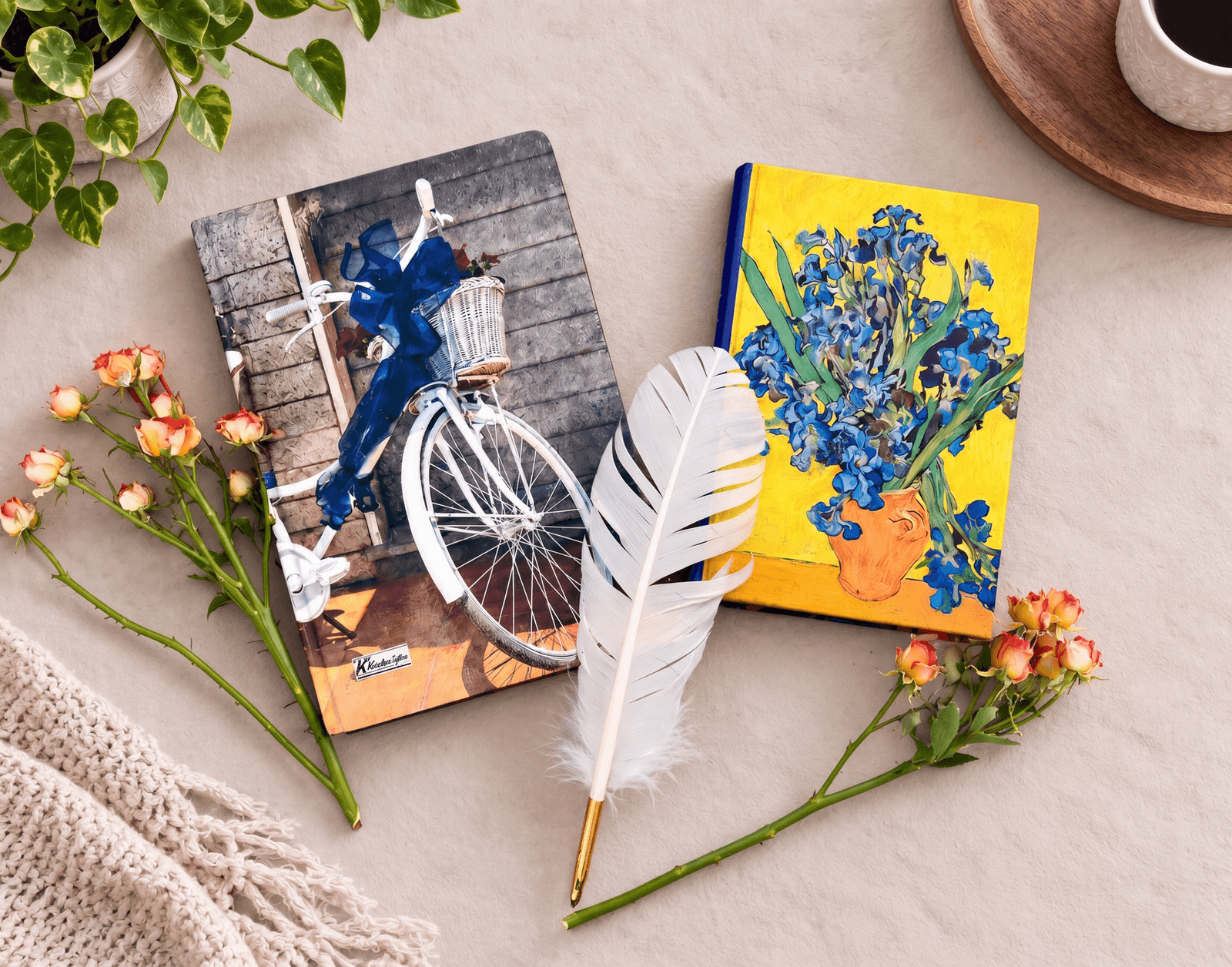
Throughout my life, many people have touched my heart, but there is one I will never forget for as long as I live: Ms Jacklovich.
She was my secondary school class teacher. In the mornings, between classes, in the hallways, during recess, out in the schoolyard… For five years, our paths crossed, and we always shared a smile. Sometimes, when my friends and I committed little youthful follies—as youth naturally does—she would scold us. Then she would pull me aside and say, “You are a smart girl, don't do such things.” When she scolded me, I would feel ashamed and deeply regretful.
Before getting to the main subject of this piece, I want to tell you a little about my childhood and my relationship with school, so no misconceptions linger in your mind. Ever since I was a child, I have loved books and reading. My mother would send me to bed at nine o'clock so I could sleep early and wake up refreshed. But I couldn't sleep. I would sit right by my bedroom door and read until my parents went to bed. As the pages turned, I grew in other worlds while shrinking in my own. This love of books came at a price, however; my eyesight deteriorated, and I had to start wearing glasses at a young age.
I loved reading, but I didn't love every subject at school equally. I had notebooks—I still adore notebooks to this day—and even back then, I felt an endless urge to write. Inside my notebooks were sentences no one knew, feelings no one had ever heard. During math, science, and chemistry classes, I would hide my notebook between my textbooks and write. Those subjects were pure torment for me. Writing, on the other hand, was an escape, a way of breathing.
And so, five years of middle school came to an end. On that final day, something happened that I hadn't realized for five years—something that would affect my life for the rest of my days. Ms Jacklovich gave each of us a piece of paper on which she had written short notes. What a lovely, graceful gesture. For everyone, she had written a few sentences about their character and performance in class. The line she wrote for me was this:
“You were always writing something in Turkish during class; I will always wonder what you wrote.”
The joy I felt at that moment is beyond description. I had been doing something I wasn't supposed to do, yet my teacher hadn't been angry with me. Even though she was aware of it, she hadn't stopped me. This silent acceptance, this elegant understanding from the first person to notice my writing, taught me to cherish life's subtleties forever after.
Sometimes, touching someone's life doesn't require grand words; simply noticing them is enough. Seeing the side of a child that no one else sees, accepting them as they are, and quietly supporting a part of them they might not even be aware of yet... To me, this is an act that transcends ordinary humanity.
Which brings me to why I was constantly writing...
Actually, that is a topic for a completely different essay, but let me touch upon a few points briefly. Writing eased the sense of loneliness I felt within and softened the pain I accumulated in my heart. Yes, I was young, but I felt pain. Pen and paper became my confidant, my companion, my sanctuary. If I heard news of a death or learned of bad things happening in the world, I couldn't shake off the impact for days, and I would write. My mother is my witness; she worked so hard to pull me back together. Because there was a difficult lesson I had yet to learn:
“You cannot save everything; you cannot fix everything.”
Nevertheless, I learned it—albeit late and with difficulty.
Life was hard. School life was hard, too. There were children of good nature, and children who were ill-intentioned. Ms Jacklovich would stand up against those who exhibited mischievous and tyrannical behavior. She never let the good ones be mistreated. In my view, a good teacher shouldn't settle for only seeing the well-behaved, successful, or harmonious children; they must also notice the ones who cause trouble or harm others, and intervene openly when necessary.
Unfortunately, every classroom can have children who act as bullies. Ignoring such behavior doesn't merely sweep the immediate problem under the rug; it can pave the way for that child to commit much greater wrongs in the future. For turning a blind eye is not a solution—it is simply another way of feeding the problem.
Ms Jacklovich was a teacher with a fierce sense of justice who never permitted this. A child who bullied knew there would be consequences; they faced the results of their actions and learned from their mistakes. Perhaps a teacher's justice is realized not just by rewarding the good children, but also by knowing how to set boundaries for those who do wrong.
Anyone can follow the system. Anyone can believe they are educating students while staying strictly within the curriculum. But hearing the voice of a child's heart, noticing those drawn to painting, art, music, poetry, and literature—that requires a heart that sees differently.
Looking back today, I believe that the greatest gift Ms Jacklovich left me was perhaps precisely this: to be seen.
In those years, I was just a child secretly writing Turkish sentences during class. Perhaps I didn't even fully know what I was writing myself. But she knew. She had noticed my writing. Instead of stopping me, she had been curious.
Years later, I understand that some teachers do not merely teach us lessons. They make us aware of who we truly are.
That is why I believe children should not be judged solely by their grades, achievements, test scores, or the status they will attain in the future. We must look beyond ambitions and rat races to see the essence of a child—striving to understand who they are, rather than trying to complete our own shortcomings through them.
Indeed, the point is not to groom children for high positions, but to raise them as good, sensitive human beings who champion beauty—and then entrust the future to their hands.
Perhaps she will never learn what I was writing in that notebook I hid between my books in the middle of math class all those years ago. But I will never forget that she was one of the first people to notice that I wrote, and not judge me for it.
Some people merely pass through our lives. Others remain within our lives forever. Like Ms Jacklovich...
Comments
No comments yet. Be the first to comment.