Daily
September 2, 2024 · canan · 5 views
Label
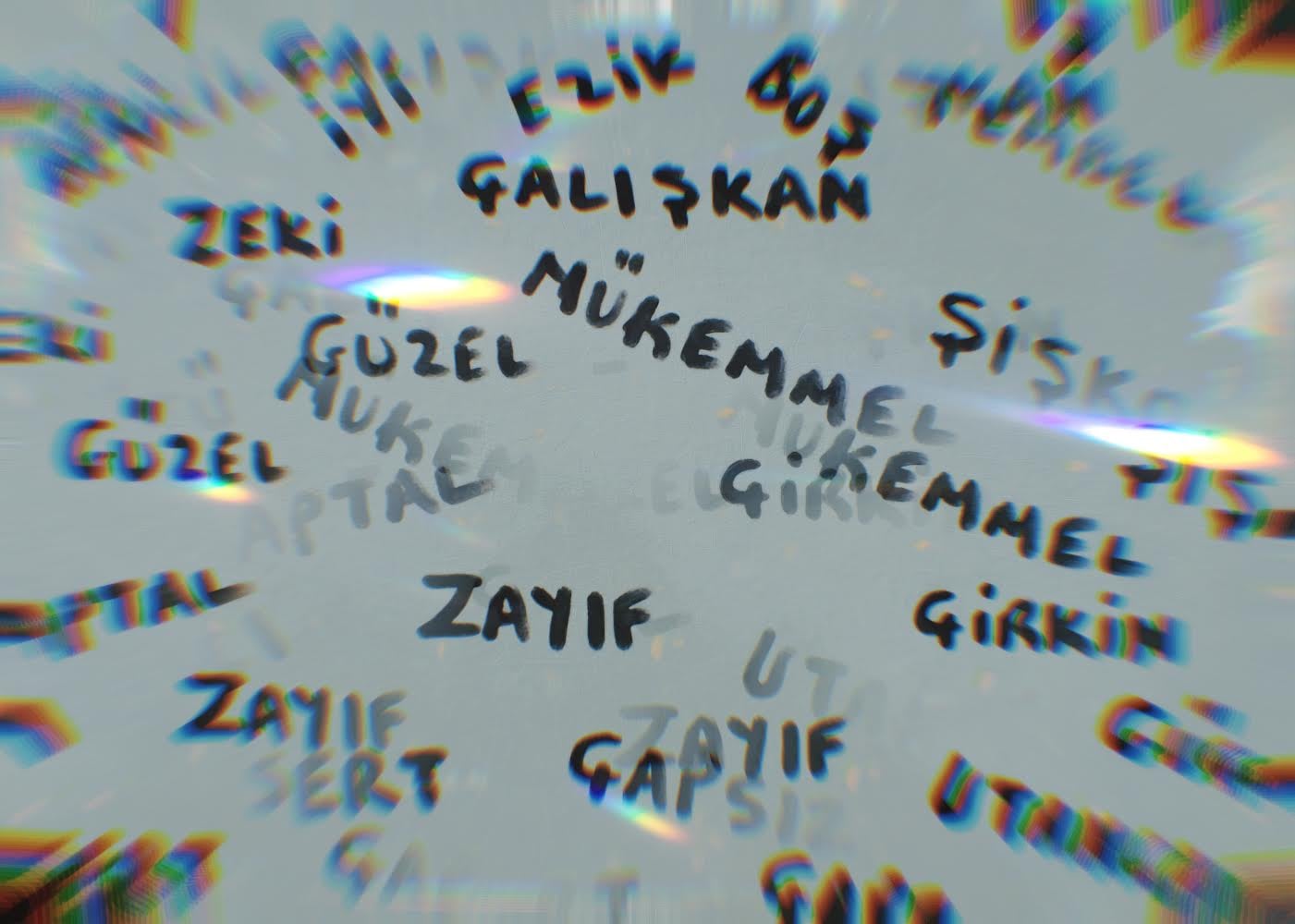
There is a subject I have observed for some time. Labelling has begun to become widespread among people. So, what is this labelling matter? Even though it may seem like a topic we don't encounter much in our daily lives, it is a pattern that many of us engage in, whether consciously or unconsciously. A label reflects how people think about others and themselves, and by highlighting positive traits, it can foster beneficial developments. Yet, alongside this, it can cause misunderstandings, misguidance, and stereotypical judgements regarding individuals. If labels—whether good or bad, positive or negative—become the source of an individual's definition, they create long-term problems, and this situation can severely affect certain lives; in short, this is a topic we all must care about and pay close attention to.
When we believe in a negative label attributed to others or given to ourselves, we begin to reinforce the assumption that we are incapable of certain things. This can make life far more difficult than it needs to be and impacts our daily routines. Furthermore, for some individuals, labelling others negatively can evoke a sense of superiority or wellbeing, which is, without a doubt, an indicator of psychological distress within those persons. Indeed, showing joy while speaking of negativity regarding others is not a particularly pleasant form of conduct.
We can see examples of labelling people in the words we use. For instance, words like incompetent, lazy, stupid, selfish, ugly, dependent, or fat appear as negative labelling. Individuals who adopt such molds distance themselves from self-improvement within daily life and gradually begin to live in accordance with these molds. When you pause to reflect for a moment, have you noticed how often you engage in this kind of labelling—whether towards yourself or those around you?
Labels stemming from childhood impact our future potential and how we view ourselves. Negative labels can be powerful enough to create traumas in our lives, leading us to see ourselves as useless, futile, and worthless. Therefore, in order to raise healthy individuals, all adults must pay attention to avoiding words that label children, such as "you are like this" or "you are like that". I know that in the era we live in, there is a vast distance between adults and children—though in what age has there not been?—perhaps this situation stems from adults speaking negatively to children. Have you ever thought about this?
As parents and educators, we undoubtedly carry a great responsibility to prepare children for the future. While racing against a time that passes so rapidly it blurs the days, we have somehow turned children into competitors as well. In this context, let no one think I am trying to peddle ideas like "leave children to their own devices", for the saying "the tree is bent while young" is true, and what is learned in childhood is invariably permanent, beautifying the children's futures. Nevertheless, what I wish to say is this: we must strive to understand children correctly; we must act by seeing how their brains function, what their perception is like, and in what areas they succeed or fail. Only by behaving this way can we avoid forcing them into molds with labels, and instead create spaces where they will achieve success, preparing them for the future.
Development must, without a doubt, occur first to provide individual, and then societal, benefit. A person getting brilliant grades, coming first in school, or attending the best universities does not make them a good individual or a useful human being. You will say, not everyone is obliged to contribute to societal development. If so, what will become of the generations that will arrive in the world after us? The world is heading toward a sixth extinction. Glaciers are melting and warming rapidly. If we all do not do our part, and first and foremost fail to raise sensitive individuals, it is certain that we will not be able to leave a liveable world for the generations that follow.
With the power of social media, I have begun to hear about mental illnesses and labelling terms among youth and children that I had never heard before. We seem insistently eager to prove that there is invariably a problem with children who are "unsuccessful", especially in school life. Moreover, this is done without a single expert's opinion, based solely on what we read and hear on social media. Many of these illnesses certainly exist, and denying them would be denying science, but must we really slap a label on every non-academic mind, every child who is unproductive in school? I have worked and continue to work with hundreds of children for years. I am conscious that they are all different. Walking a unique path with every child will undoubtedly give birth to magnificent stories; to achieve this, simply approaching them without labels and without prejudice is enough.
Humanity is a species capable of change. Look at how far we have come as the world has turned. In those who do not change, we encounter excessive rage and nervous states over time, because since they cannot rid themselves of the labels plastered upon them, a person can develop dark emotions after being crushed under these labels for a lifetime. Therefore, one must not fear change. Taking no heed of sentences that begin with "you belong to that society," "you people behave like this," or "your people" will ensure we stay clear of all manner of negative labels, allowing us to take firm steps on the path to becoming our true selves.
We are human; we are not perfect. All of us, from time to time, can see traits in ourselves we do not like, or behavioral patterns we are aware of but cannot overcome. When we view things with the maxim "do not do to others what you would not want done to yourself," perhaps we can begin to find inner peace and act healthily. If we want the world to be a better place for ourselves and others, we must start the change with ourselves first, and we must rid ourselves of this misguided form of conduct—labelling people.
Comments
No comments yet. Be the first to comment.