
Daily
September 27, 2023 · canan · 8 views
The Overcoat
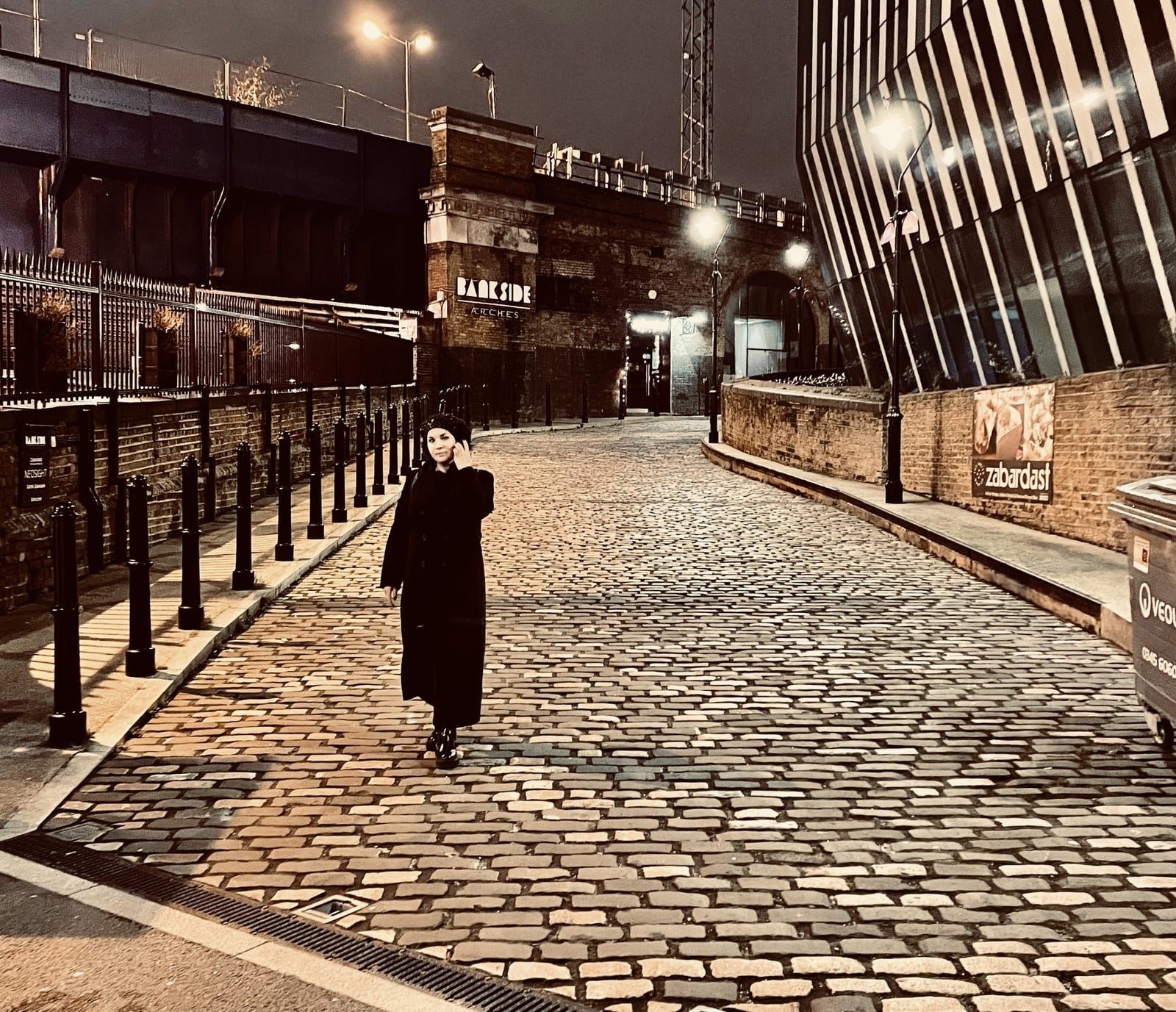
The title of this piece undoubtedly echoes Gogol's classic story, The Overcoat—you could say it’s a nod to it. Drawing from two separate yet parallel narratives, I want to share a story with you that touches upon my childhood. This piece, like so many volumes, emerged directly from Gogol’s The Overcoat.
1993... turned out to be a strange year for me. The Sivas events stood as the most sorrowful of those anomalies. Human beings were burned alive, and intellectuals were imprisoned in darkness. I was thirteen; an agony that I would never forget for the rest of my days pierced my heart.
As I write this piece, the final remaining case concerning the Sivas massacre has been dropped due to the statute of limitations. It seems that whenever I sit down to write, I receive grim news that day and find myself forced to add it, if only briefly, to my thoughts. The Sivas trial, which has carried on for thirty years with empty benches for the accused, plunged a dagger into our hearts with this final ruling. The more you clear and reward those who lit the fires, the more we remember; we will never allow it to be forgotten. The day of reckoning will surely come! Indeed, history carries the grand duty of recording the unvarnished truth.
Let us return to our subject. Where were we? The overcoat!
In those years, we had a factory workshop where my brother Cem and I would help out from time to time. Alongside many others, we worked together as a family. We were learning the value of labour at an early age. My mother and father never forced us. Do not let such thoughts cross your mind; we absolutely loved heading to the workshop straight after school. What beautiful days they were. Those who lived through it know it well: friendships, sharing, affection, and respect were by no means built on money; people cared for one another with genuine emotions. Furthermore, speaking of money was considered crude; if someone made such a gaffe, they would face disapproval. In those years, wealth had not yet begun to cover up every disgrace. My mother and father didn't act like bosses at all. On the contrary, they worked night and day just to meet the deadlines. We would stay up through the night by their side. We never grew bored. What a beautiful thing it was simply to be together.
In this workshop, overcoats, coats, and jackets were tailored. We worked with major brand names. My mother always wanted to set a piece aside for me from every completed batch, so that I could wear it when I grew up. My mother was an exceptionally skilled machinist. She knew exactly which garments would transcend passing trends. Yet, as my mother’s daughter, I was never one to follow fashion; I simply preferred to dress in whatever made me feel comfortable, nothing more. My mother, on the other hand, always dressed beautifully. She wouldn't dream of setting foot in the workshop without putting on her lipstick.
One day, my mother brought home a pitch-black overcoat made from fine cashmere cloth. This coat was preserved in my mother’s wardrobe for years, waiting for me to grow into it, and the years rolled by. I didn't wear it for a very long time, simply to keep it from wearing out. This did not stem from a mere attachment to material objects. Within an era that rushes past so terrifyingly fast, it came from a desire to safeguard the beautiful memories of the past. To ensure they aren't forgotten. Since we seem to forget everything so quickly nowadays, it was precisely because of that.
The protagonist of Gogol’s The Overcoat, Akaky Akakievich, had no inkling that he would lose his life while struggling to replace his threadbare coat with a new one. In truth, he merely wanted to have the old one mended; he was forced by circumstance to have a new one tailored. Buying an overcoat was no simple matter back then! It is only when the chill pierces through to your bones that you comprehend the vital importance of a coat and the necessity for change.
For us, too, life had been far from a bed of roses. The malice we endured simply trying to be good and remain good was beyond measure, and on top of that, it never seemed to end. One morning, our workshop was burglarised. The coats that were due for delivery that very day had been stolen. We were completely ruined. Yet in the midst of all that distress, my mother found solace in the coats and jackets she had set aside for me. Do the modest joys of working-class people ever truly cease?
No matter how weathered a person becomes, they cannot bring themselves to discard certain possessions from their home or their heart. Do not misunderstand me; I am not someone who hoards everything. Once my relationship with an object ends, if it is still usable, I share it; if not, I throw it away. Yet this overcoat, I believe, will occupy pride of place in my wardrobe until the end of my days. Because whenever I look at it, I travel back to those years; I can tell myself that even though life was immensely difficult back then, it was beautiful. And that feeling grants me strength as I walk towards the future.
I even wore my overcoat a few months ago in the music video for my composition Eşiklerde Açan (Blooming on Thresholds), featuring lyrics by my esteemed mentor, the poet Şükrü Erbaş. The weather that day was a mixture of rain and snow. Because I have always loved being drenched in the rain, I faced no real hardship during the shoot, save for the drops pelting my face. My coat kept me so warm that I didn't even fall ill.
It was a fine thing to belong to the era of the workshop, to be the children of working-class families, members of households that never forgot how to live while wrestling with a thousand hardships. Back then, let alone London, I couldn't have imagined even in my wildest dreams that the world would transform into such a place in so short a time. A classic case of reality defying our expectations; within a world growing steadily worse, I can only find the strength to carry on by clinging onto animals and children. Because I am one of those who cannot simply forget what they have lived through, I can only draw breath by anchoring myself tightly to a few possessions, and far more so to my memories. My overcoat is a piece of me that holds fast to those years. It reminds me of who I am, ensuring I never lose sight of the world I nurtured through boundless labour.
Comments
No comments yet. Be the first to comment.