
Daily
October 19, 2020 · canan · 5 views
They Shoot Whales Too...
A human being does not come into this world merely to eat, drink, and satisfy basic daily needs. Possessing a brain unlike any other living creature, human capabilities far exceed those of most species. Within our brain, weighing just one and a half kilograms, sit eighty-five billion nerve cells, and these cells live in constant communication through neural connections that reach into the trillions. A species blessed with such cerebral power and privilege ought to have moral and ethical matters it cares for beyond basic survival. We carry immense responsibilities, both individually and collectively, to stand against injustices, wrongs, and inequalities. Everything begins with belief and action. Yet, the number of people taking action is small, while the numbers of the indifferent are vast. Furthermore, we are passing through an era where every possible effort is made to bring those who do move to an absolute halt.
Recent years have seen the growth of movements that question meat consumption and protect animal rights. From slaughterhouses to factory farms, we all now see and know the cruelty inflicted upon animals just to put them on our tables. The deeper I researched this rooted issue, the more brutality it revealed; where once I grieved for cats, dogs, lambs, cattle, donkeys, horses, fish, and seafood, I learned that humans hunt and consume every imaginable creature. If you are unaware of the varieties of animals eaten in different corners of the world, and the ways they are served at the table, you will highly likely experience a wave of nausea and disgust upon finding out. "Surely it can't be this bad!" you will say. Yet it is... Mankind never ceases to shock. One of the species enduring this savagery, whose numbers are facing extinction, is the whale. In this piece, I want to highlight both the beauty of whales and the dangers they face. You might ask, why whales? I discovered that they shoot whales too, and then they eat them!
Oceans cover seventy per cent of our planet, and it is said that four hundred and nine thousand, five hundred and forty-three known species live there, alongside two million yet undiscovered. Beneath the waves, a magnificent life flows on a scale beyond human imagination. Whales first caught my attention in a documentary I watched years ago. I was captivated by their socio-cultural way of life, their powerful family bonds, and the way they prepare their young for survival. Research indicates that in terms of learning, hunting, and socialising, whales may share more common ground with humans than we think. Did you know? This immensely large, elegant, and beautiful creature sings as well. For years, scientists have been investigating the meaning behind whale songs. The conclusion reached is that just like humans, whales find harmony in melody and understand one another through it. The positive impact that music has on a human being manifests itself in whales in exactly the same way.
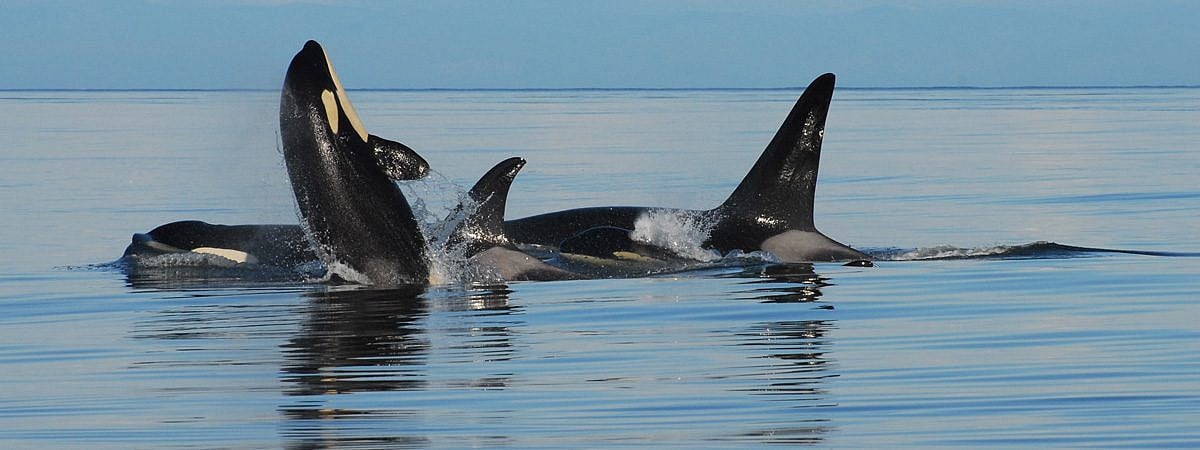
Whales have managed to deeply move almost anyone who has ever encountered them; they nurture one another, form powerful bonds, play, sing, and engage in cooperative efforts. They even mourn. In the summer of 2018, Tahlequah (J35), a member of an endangered southern resident killer whale community off the coast of Washington State, was observed carrying her dead calf for two weeks, dragging it over a thousand miles. Tragically, these whales, who live without causing any harm in their own habitat, are under threat and facing extinction due to the waste and consumption created by humans.
Hunting and the hunt! Throughout history, humans have hunted to carve out an existence within nature. Only by doing so did they reach the present day and sustain their existence. Yet, in those early years, they hunted only what they needed for their daily survival, and a balanced sharing existed between mankind and the natural world. Over time, in places where consumption multiplied, people with no limits to their appetite for meat turned hunting into a sport, choosing to kill for pleasure even when there was no need. It is precisely here that we must remind ourselves once again: "Hunting is not a sport." It is vital for people to realise that what they do under the guise of "sport" or "entertainment" has turned into destruction, and they must bring it to an end before it is too late. No living creature is a victim or a slave to humans. Although there is a fight to stop this cruelty, animal rights are not sufficiently protected, even under current laws. You will say, "Human rights come first!" Indeed, nowadays we keep dividing everything up, declaring every single day some kind of "rights" day. No! If you step away from the cruelty humans inflict upon one another and look at nature for a moment, you will see how immense the catastrophe truly is. Because of this, many species are facing extinction. As they disappear, humanity will disappear too! Which brings us back to the same point: there is no solitary salvation.
While the vast majority of the world survives on the brink of starvation, there is absolutely no redeeming side to the actions of those who hunt for entertainment, slaughter other living beings for no reason, and damage the environment and nature. Dolphins and whales are among the victims of these activities carried out for so-called pleasure and transient thrills. Whales, though looking nothing like humans in stature, share so many common traits and stand as the largest living creatures in the ocean and on earth. It defies all reason to hunt whales weighing over a hundred and fifty tons and confine them to tiny spaces; as if families and children had no other activities left to enjoy, keeping whales and dolphins captive, tearing them from their natural habitat to present them to humans as a "show" is nothing short of a cruelty engineered by capitalism. In the past, whales that injured their trainers during captivity were branded as "killers"—yet the question that should have been asked was: what business did those whales have there when the vast ocean was their home?
It is believed that humans have engaged in whaling since prehistoric times. In 1986, the International Whaling Commission (IWC) banned commercial whaling. However, since then, fifty thousand whales have been slaughtered due to loopholes in the law that allow certain countries to continue this barbaric tradition. Norway, Iceland, the Faroe Islands, and Japan lead the countries that carry out whaling. Estimated figures suggest that around two thousand whales will be killed this year. In Norway, they hunt whales. The hunting of Minke whales is more widespread because, to this day, they have never caused harm to a human being. We see that, as the hunters themselves admit, humans hunt and slaughter this species—which poses no threat to man—simply for food. Some call this a "tradition". They claim it has been part of their customs for generations! Furthermore, they think they can deceive mindful people with fairy tales about instant brain death and a lack of pain. Yet documentaries show that when struck, they agonise and suffer just the same.
To maintain ecological balance, it is not only land-dwelling species and destroyed habitats that carry significance. Over the past century, most large whale species were brought to the brink of extinction by industrial whaling. The whaling industry existed long before the seventeenth century, but advancements in technology and the rise in globalised commercial whaling during and after that period played a major role in the current plight of endangered whales. Whales were not used for food consumption alone; whale oil found its way into everything from trains and cars to lamps and soaps. Although strict regulations were brought to whaling in the mid-1900s and commercial whaling was banned, immense damage had already been done to many whale species. While it remains uncertain which species will survive this ecological war, it is the duty of every one of us to raise awareness, to avoid harming this magnificent creature that forms a massive part of the ocean, and to protect them. Animals have lived in their own habitat for centuries and will continue to do so as long as we allow them; they have no power of choice, but we do.
Note: There are foundations that protect whales and their rights; you can support them by making donations or paying monthly contributions. You can even bring joy to your loved ones by adopting a whale. All you need to do is click the link below and take it from there.
Comments
No comments yet. Be the first to comment.